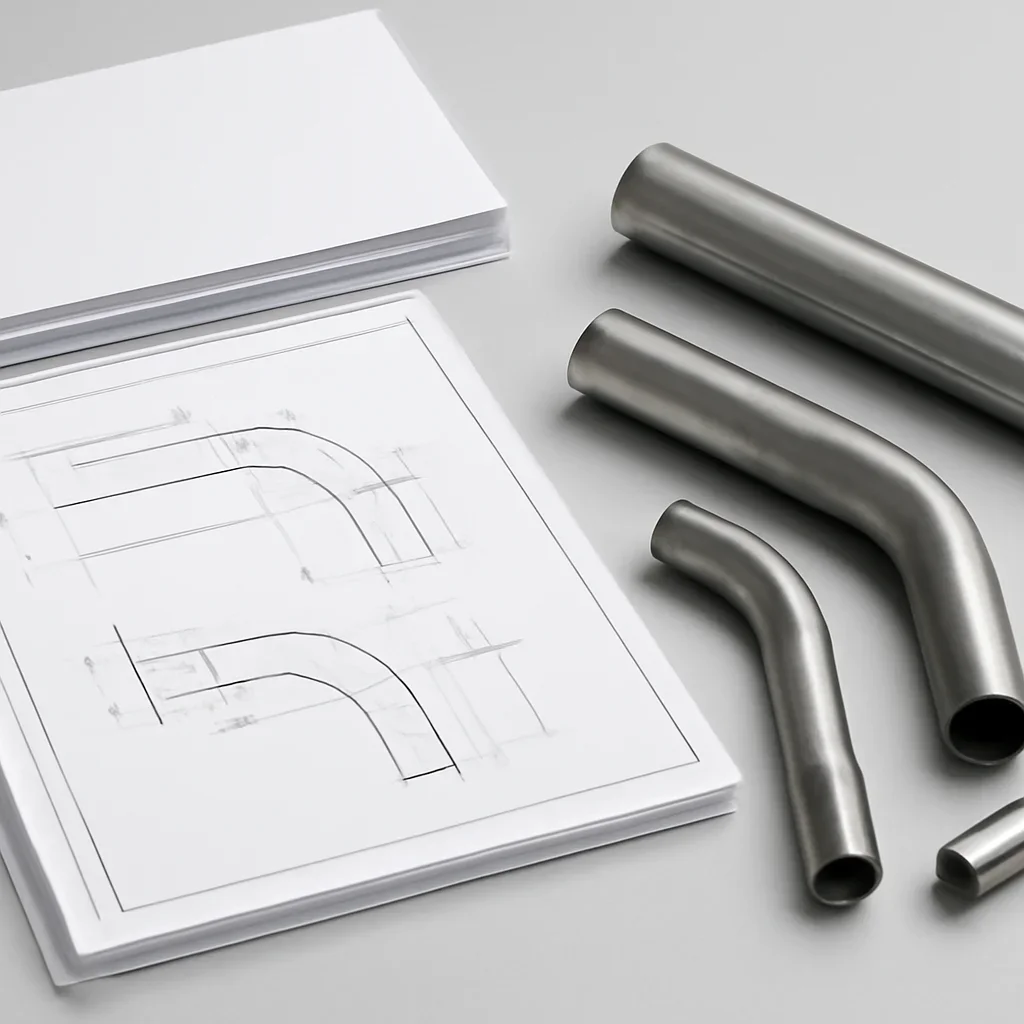
Tube fabrication pricing depends on the real scope of the part, not on a generic per-piece shortcut.
Material, geometry, tolerance priorities, secondary operations, quantities, and schedule targets all shape the quote, so a clearer RFQ almost always leads to a better pricing conversation.

Material choice, bend method, end conditions, joining requirements, finishing, assembly scope, and packaging expectations all affect how the job should be planned.
Quantity also matters. Prototype work, repeat scheduled releases, and higher-volume production do not always follow the same cost structure.
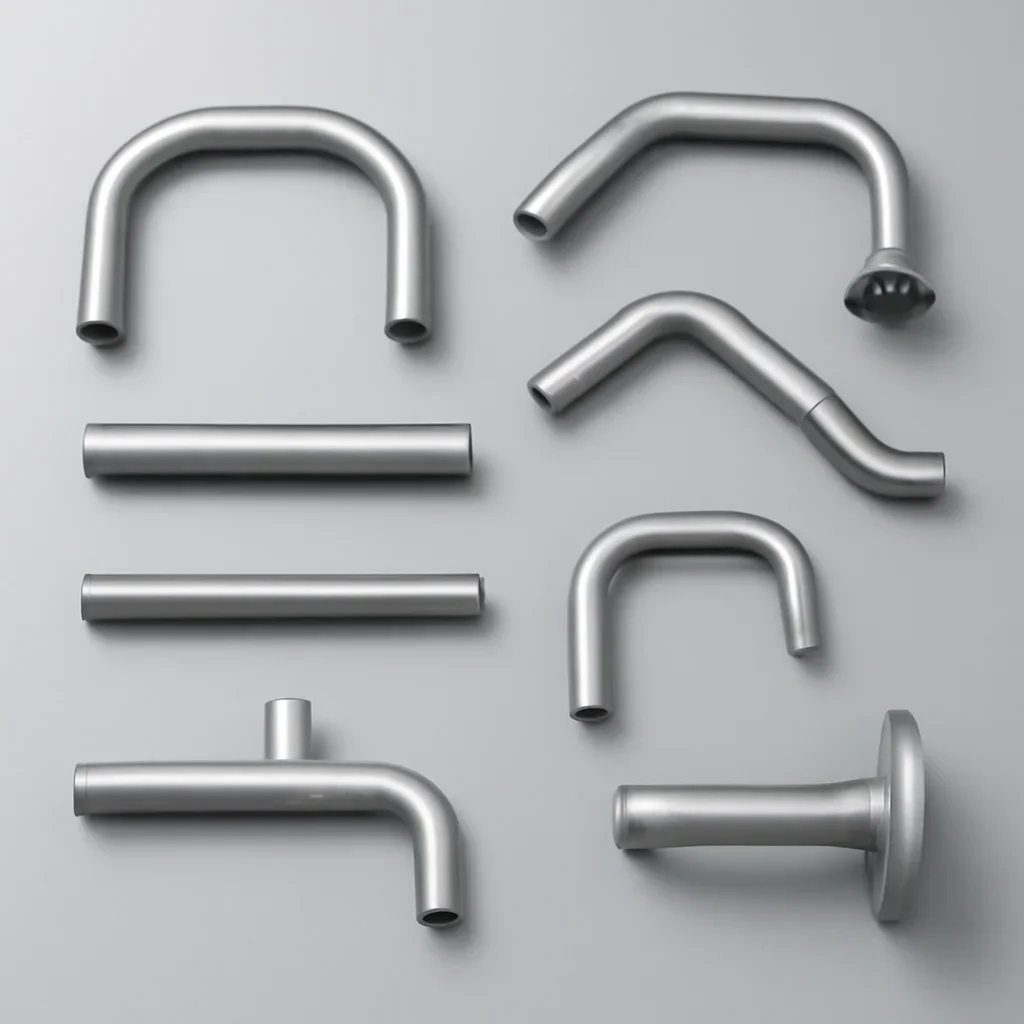
Most quote delays come from missing information rather than from the part itself.
An updated drawing or sample reference keeps the review anchored to the right part definition.
These details affect both pricing and schedule, so they should be included from the beginning.
Critical dimensions, finish requirements, and timeline goals help keep the review focused on the real priorities.
These quick answers help teams prepare before they send an RFQ.
A sample can help start the conversation, but a drawing or clear dimensional reference still improves accuracy.
Yes. They often affect process selection, setup, and inspection effort, especially when the critical dimensions are tightly controlled.
That is common. Early quote discussions can still be useful when the team is transparent about what is final and what may change.
Share the drawing, material, quantity range, and schedule goals through our quote page. We will review the project and outline the best next step.
Before you submit, the design guide and lead time page can help your team prepare a stronger package.