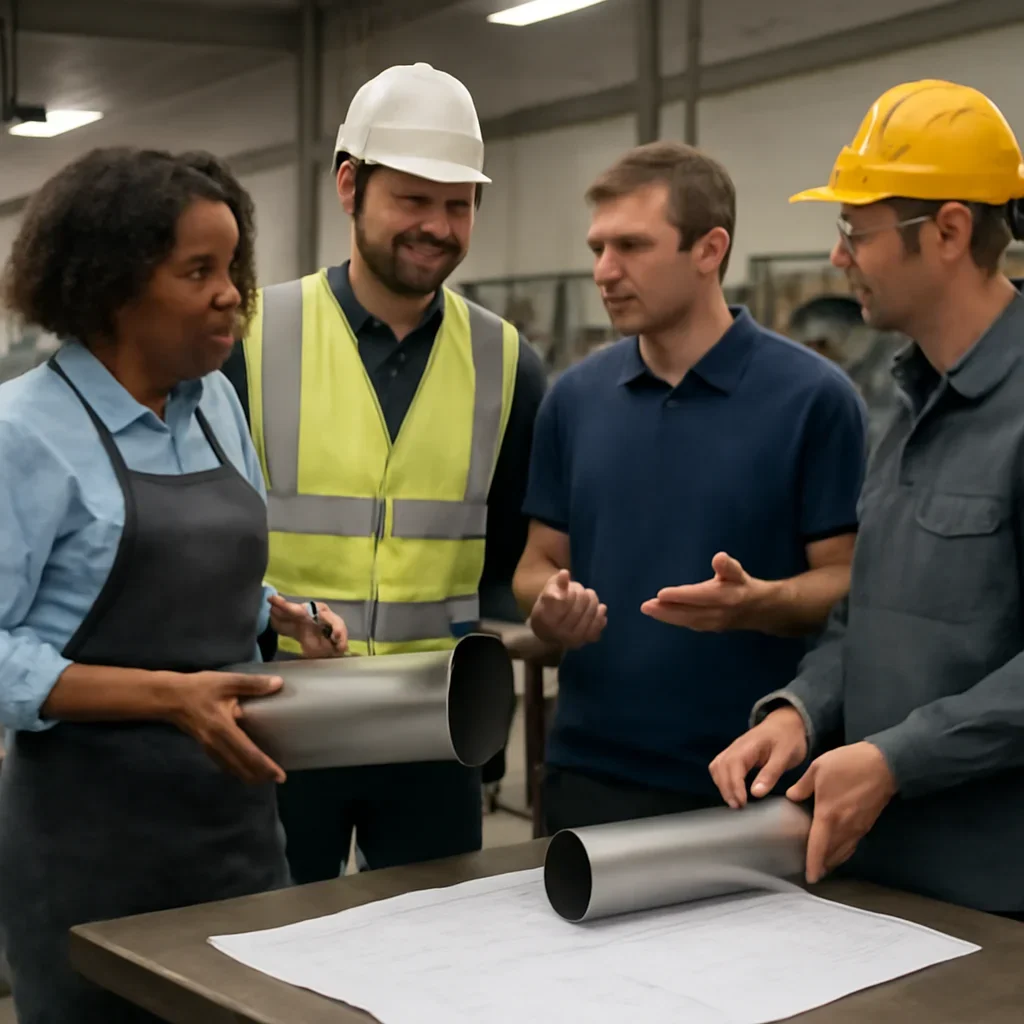
The main bend is only part of the job on many custom tubular components. Secondary processes often determine whether the part arrives ready for the next operation or still needs more handling somewhere else.
This hub shows how machining, joining, finishing, and assembly-related work can be coordinated as part of one fabrication strategy.
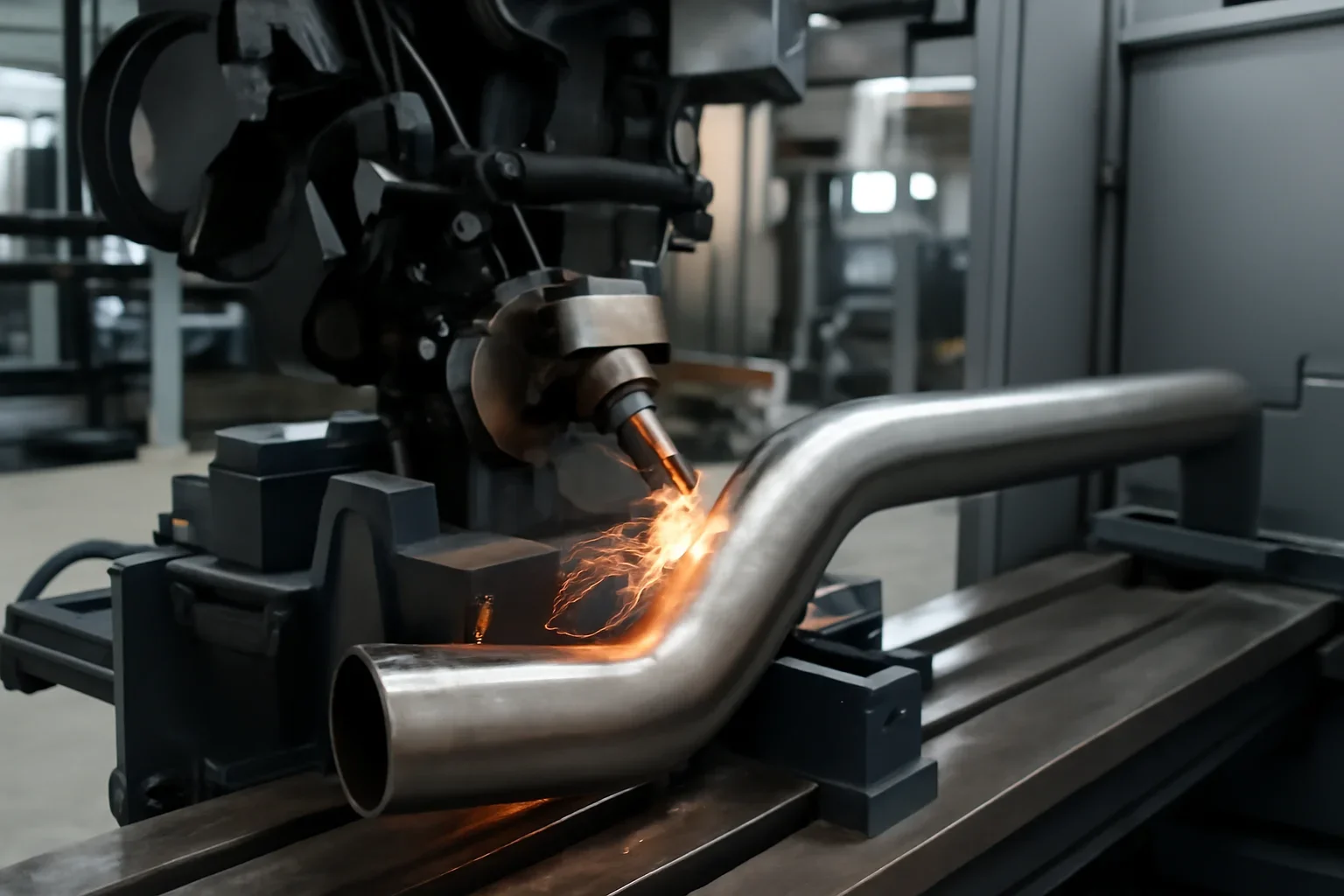
Bringing multiple operations into one production plan can reduce handoff risk and make procurement easier to manage.
Useful when formed parts also need machined details or more refined interface features.
Helpful when the finished condition matters to performance, protection, or presentation.
Important when surface condition or material response matters to the downstream use of the part.
Ideal when the delivered part needs to be closer to an installed or subassembled condition.
When a part crosses too many disconnected process owners, schedule visibility usually gets worse and responsibility becomes harder to follow.
A more integrated workflow makes it easier to understand who owns the next step, what is driving timing, and how the final part condition will be achieved.
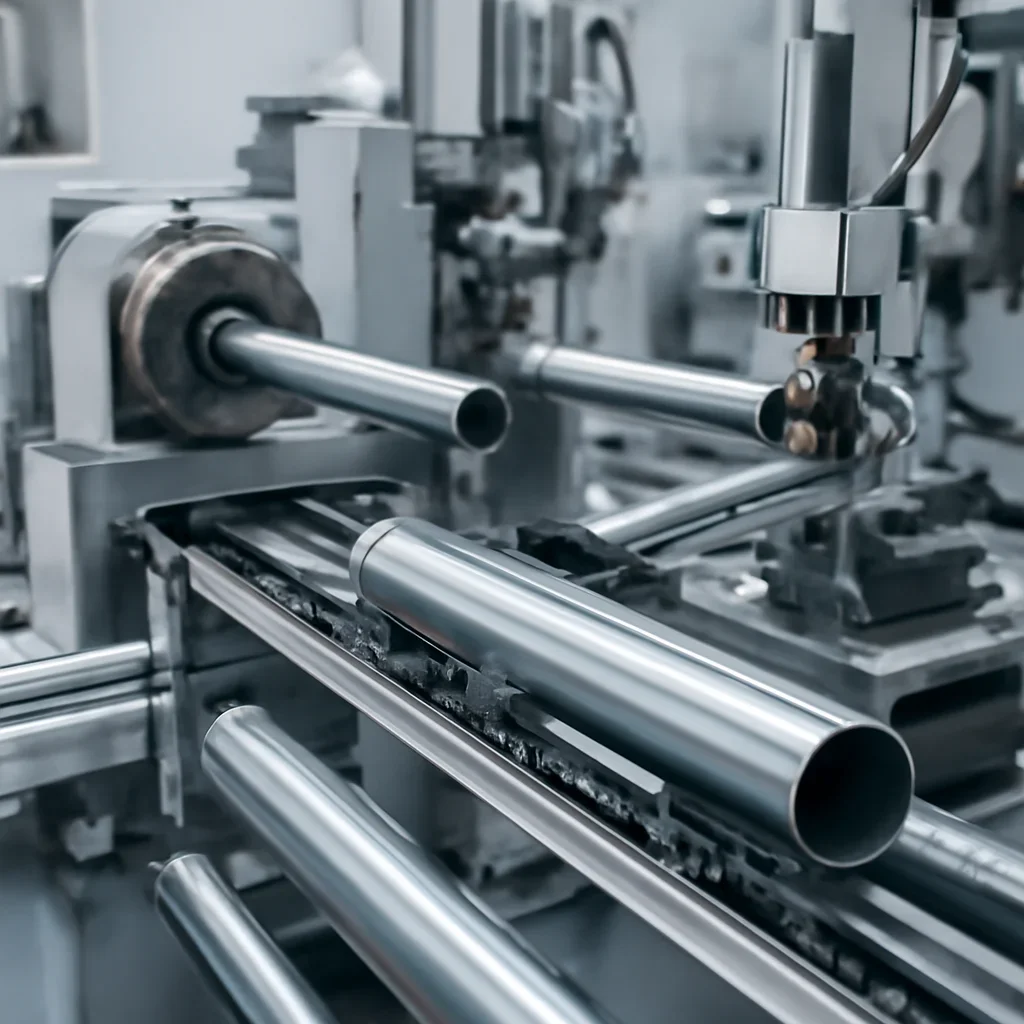
Send the drawing and describe the final part condition your team needs. We will review the broader manufacturing path instead of isolating the first step only.
You can also review our service hub and materials page before sending the project over.