
Some work can be produced to tolerances as tight as as tight as ±.005 inch, but the real answer always depends on the material, diameter, geometry, and which dimensions matter most to the part.
Tolerance planning works best when the drawing clearly identifies critical features instead of treating every dimension as equally important.

The most useful conversation is usually not how tight the number can be in theory. It is which dimensions actually affect fit, function, or downstream assembly.
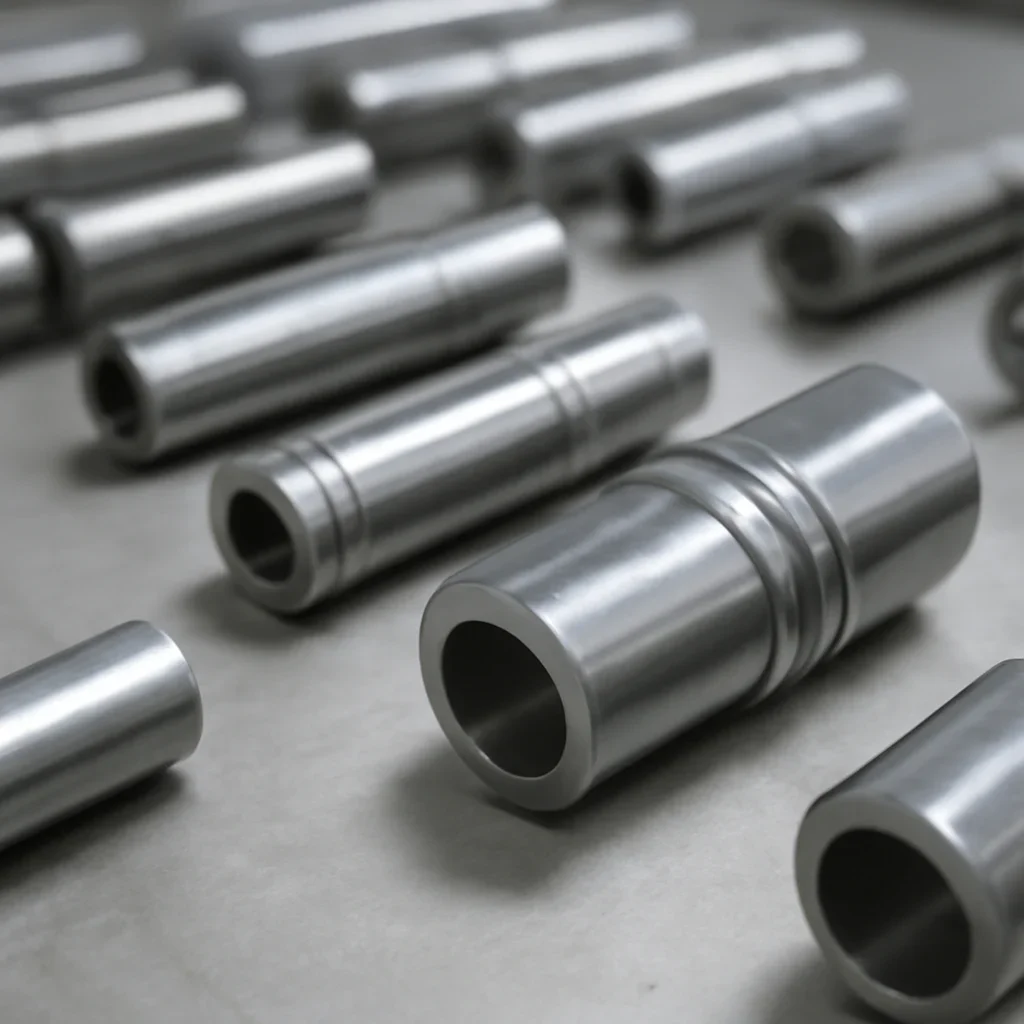
A good fabrication conversation balances the technical requirements of the part with the realities of quoting, scheduling, and repeat production.
Highlight the dimensions that truly drive the performance of the part.
Radius, material, end work, and secondary operations all influence achievable consistency.
Tolerance clarity leads to cleaner pricing and fewer assumptions during review.
These pages give extra context around services, quote planning, and production support if your project is still taking shape.
Send over the drawing, material, quantity expectations, and any timing goals. We will look at the scope and point you toward the right next step for quoting or technical review.
If the job is still being organized, our support center can help your team tighten the package before submission.