
Tighter tolerances usually increase both cost and lead time because they affect setup, inspection, process choice, and the amount of review needed before a job is released.
That does not mean tight tolerances are a problem. It means they should be applied where they matter most.

More demanding tolerances often require more front-end review, more deliberate process planning, and more inspection focus. When those dimensions are critical to fit or performance, the extra effort is justified.
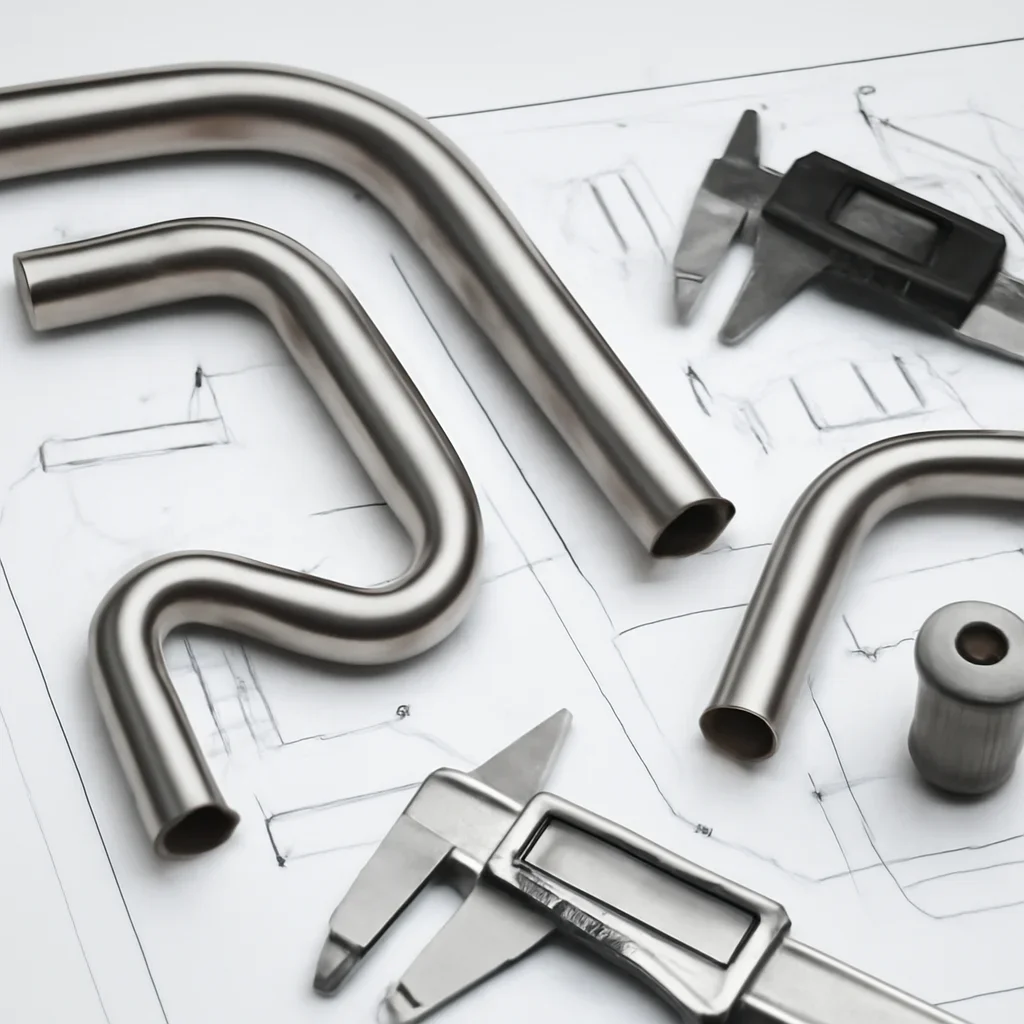
Not every dimension has the same impact on the finished part. Buyers who clearly flag the true hold points help keep pricing aligned with what the application really needs.
Provide clear drawings, revision status, material details, and the reason a tight dimension matters. That helps the fabricator choose the right path earlier and reduce preventable delays.
These pages help turn a good question into a stronger RFQ, a better quote discussion, or a clearer sourcing choice.
Share your drawing, quantity range, and timing goals when you are ready. We will review the job in the context of geometry, material, and production fit.
You can also use our RFQ checklist and pricing page before reaching out.