
Coil bending supports circular and helical forms that need steady geometry over the full part. It is often chosen for tubular components that rely on controlled continuous curvature rather than a single directional bend.
Manufacturers use coil bending when the application calls for repeatable loops, coils, or formed circular sections that need to integrate cleanly into a larger assembly.
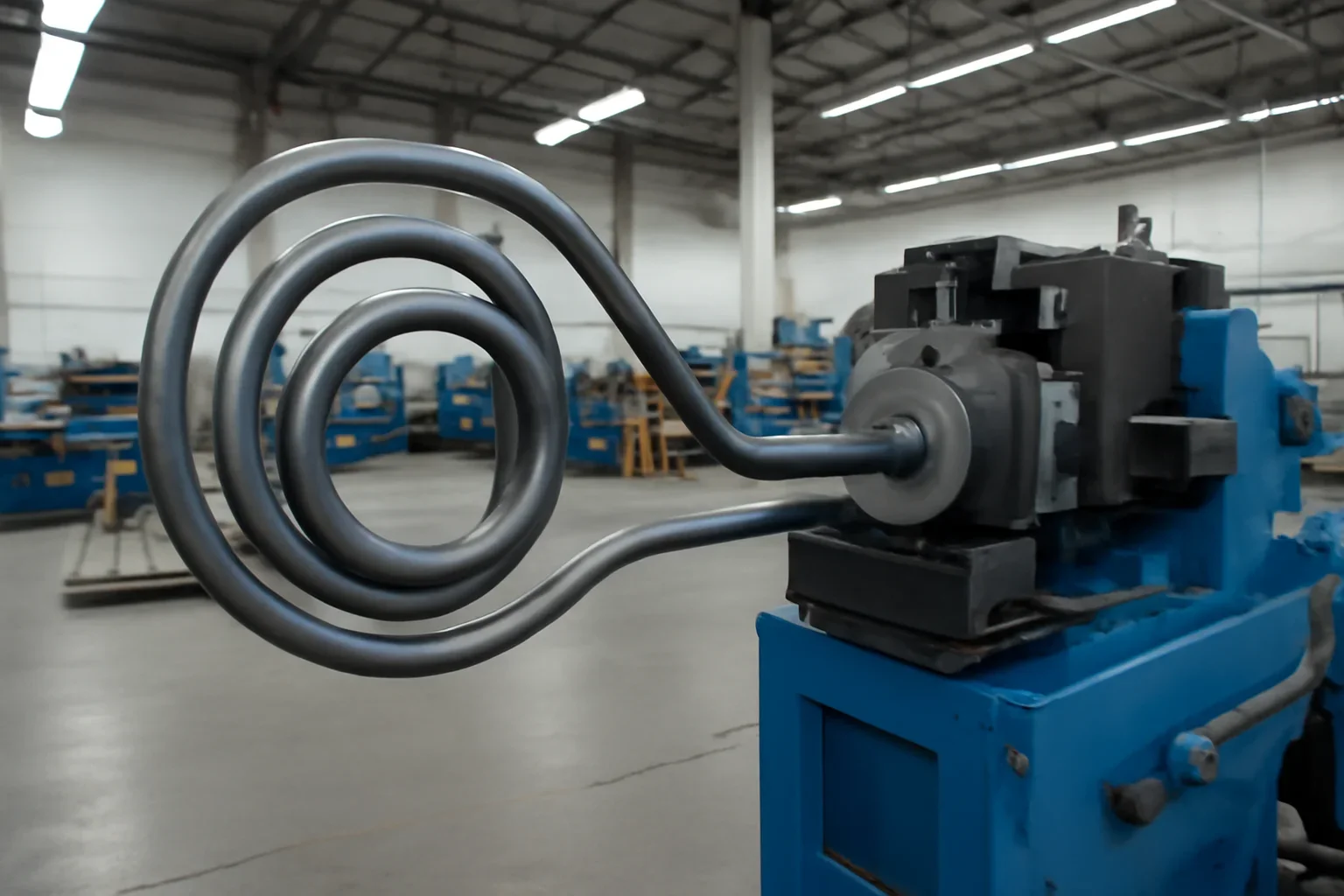
The value of coil bending comes from consistency across the full form. When pitch, diameter, and repeatability matter, early planning helps keep the part closer to expectation.
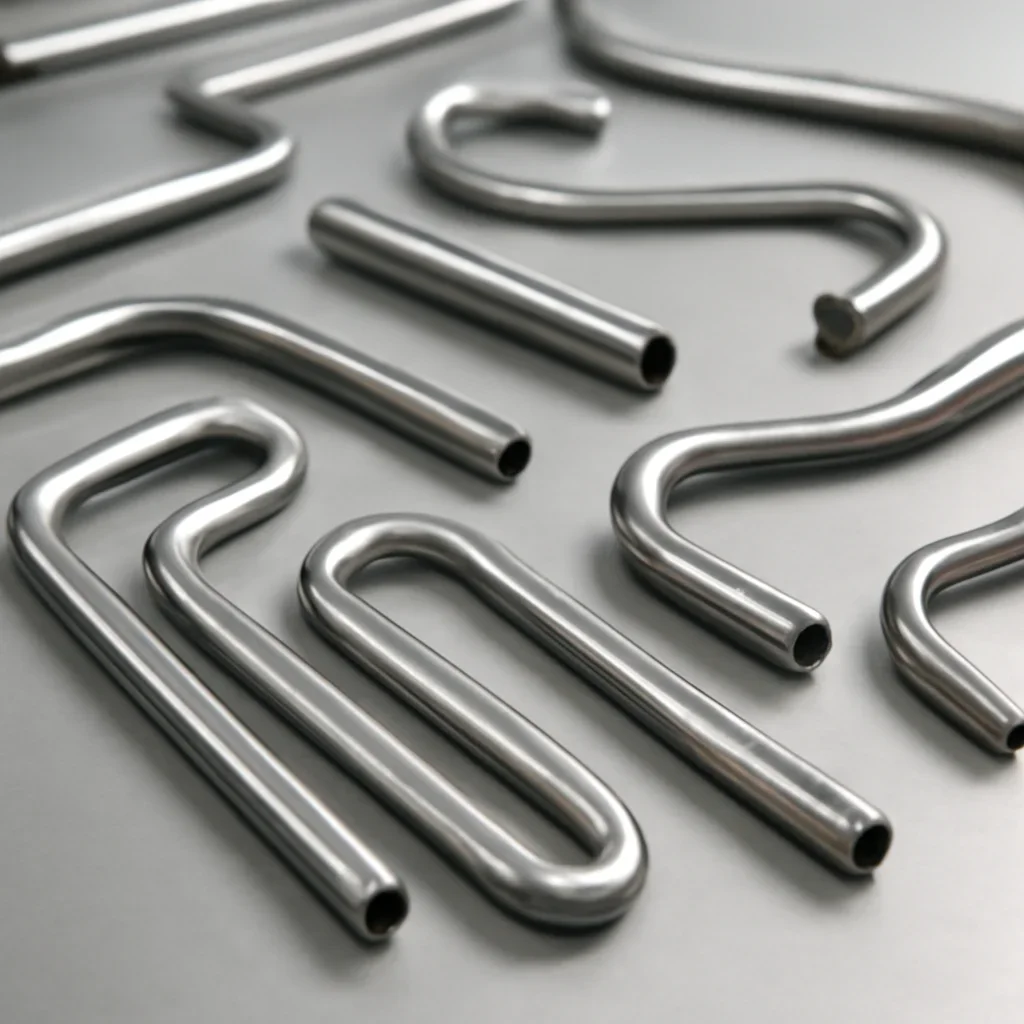
A good fabrication conversation balances the technical requirements of the part with the realities of quoting, scheduling, and repeat production.
The process supports circular or helical shapes that need more than one isolated bend point.
Cooling loops, routed assemblies, and formed component layouts can all benefit from controlled coil work.
Coil geometry is easier to quote and schedule when drawings, tolerances, and end conditions are defined upfront.
These pages give extra context around services, quote planning, and production support if your project is still taking shape.
Send over the drawing, material, quantity expectations, and any timing goals. We will look at the scope and point you toward the right next step for quoting or technical review.
If the job is still being organized, our support center can help your team tighten the package before submission.