Tube bending is the controlled forming of tube into a target geometry so it fits, routes, and performs the way the final assembly requires.
For buyers and engineers, the real question is not how a bend is made in the abstract. It is how the chosen process affects fit, tolerance, appearance, lead time, and repeat production.

A bent tube is often part of a larger assembly, so the geometry has to work with brackets, ports, housings, and neighboring components. A well-planned bend supports assembly speed and reduces adjustment work later.
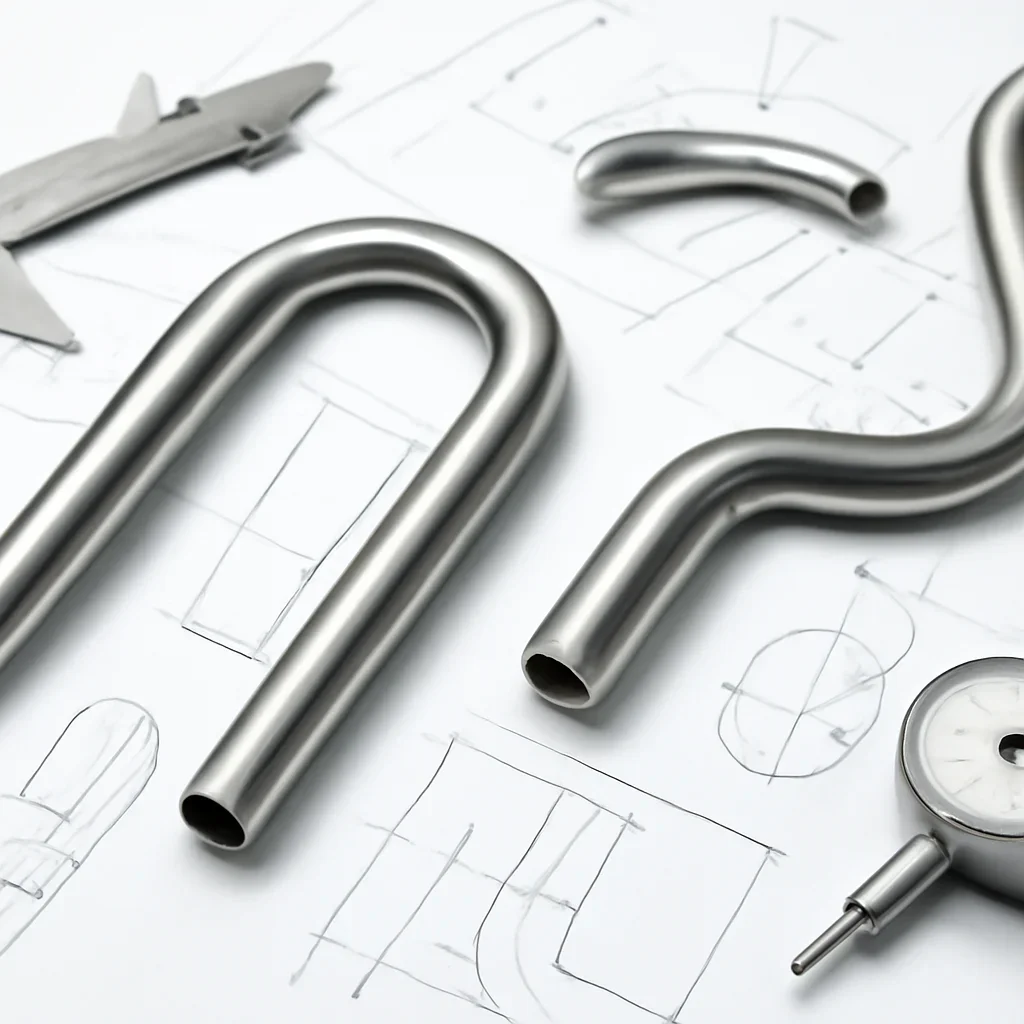
Mandrel bending is often considered when tighter radii or more controlled bend shape matter. Roll bending is usually better for large sweeping arcs. Coil and serpentine work address other geometry needs. The best process depends on the part, not on a generic rule.
A drawing, material callout, quantity range, finish expectations, and any critical dimensions help the fabricator review the job accurately. The clearer the RFQ, the faster the conversation moves toward a realistic quote and schedule.
These pages help turn a good question into a stronger RFQ, a better quote discussion, or a clearer sourcing choice.
Share your drawing, quantity range, and timing goals when you are ready. We will review the job in the context of geometry, material, and production fit.
You can also use our RFQ checklist and pricing page before reaching out.